In the digital age, where connectivity and convenience reign supreme, a lurking menace threatens individuals, organisations, and governments alike: phishing attacks. What exactly are phishing attacks, and why should we care about them? Whether you’re an individual looking to protect personal data or a professional considering a cyber security course in Chennai, it’s important to understand this pervasive cybersecurity threat and explore its real-world implications.
What is Phishing?
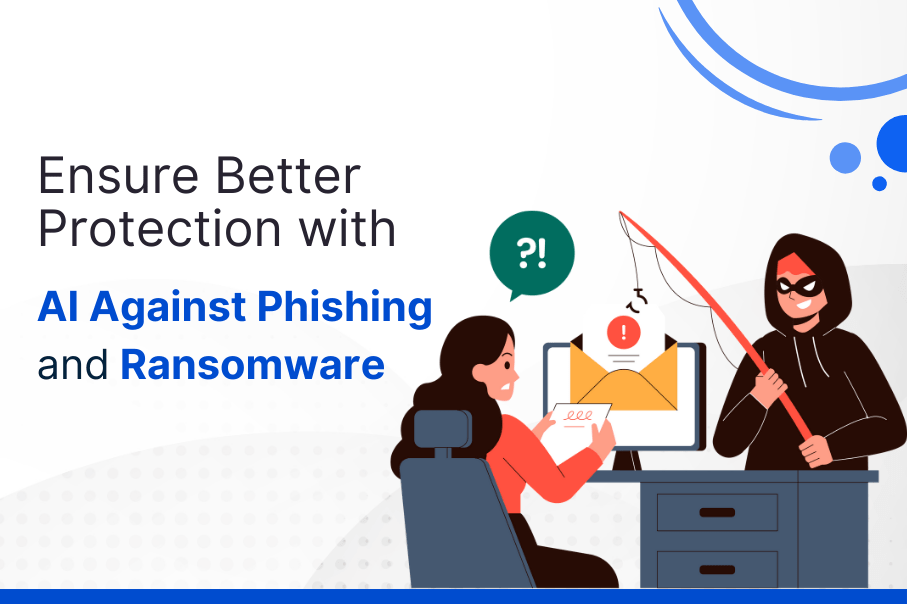
Phishing is a malicious attempt to deceive individuals into revealing sensitive information such as passwords, credit card numbers, or other personal data. These attacks typically occur through fraudulent emails, messages, or websites that appear legitimate but are designed to trick recipients into taking actions that benefit the attacker.
What is Phishing?
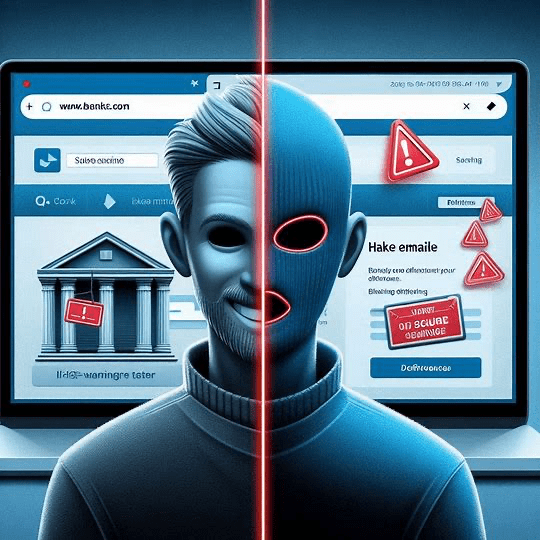
Imagine receiving an email from your bank, urging you to urgently verify your account details by clicking a link provided. The email looks genuine, complete with logos and official language. Unbeknownst to you, clicking that link could lead to a fake website designed to steal your login credentials. This is a classic example of a phishing attack.
Phishing tactics have evolved beyond simple emails. Attackers now use sophisticated techniques such as spear phishing, where they tailor messages to specific individuals or organizations based on gathered information. This makes the emails even harder to distinguish from legitimate correspondence, highlighting the importance of cyber security training for beginners to recognize and prevent such threats.
Real-World Implications
Imagine receiving an email from your bank, urging you to urgently verify your account details by clicking a link provided. The email looks genuine, complete with logos and official language. Unbeknownst to you, clicking that link could lead to a fake website designed to steal your login credentials. This is a classic example of a phishing attack.
Phishing tactics have evolved beyond simple emails. Attackers now use sophisticated techniques such as spear phishing, where they tailor messages to specific individuals or organizations based on gathered information. This makes the emails even harder to distinguish from legitimate correspondence, highlighting the importance of cyber security training for beginners to recognize and prevent such threats.
Real-World Implications
The consequences of falling victim to a phishing attack can be severe, both personally and professionally:
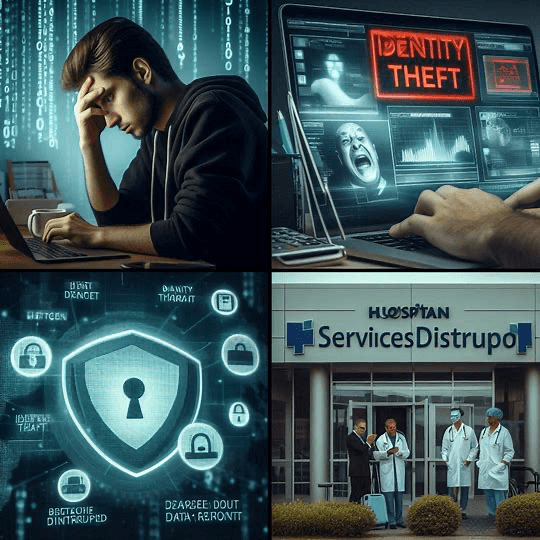
- Financial Losses: Phishing attacks can lead to unauthorized transactions, draining bank accounts or maxing out credit cards.
- Identity Theft: Stolen personal information can be used to open fraudulent accounts or conduct illegal activities in your name.
- Data Breaches: In organizational settings, phishing attacks can result in sensitive company data being compromised, leading to reputational damage and legal repercussions.
- Disruption of Services: Critical infrastructure, such as hospitals or government agencies, can be targeted, potentially disrupting essential services.
Why Are Phishing Attacks Successful?
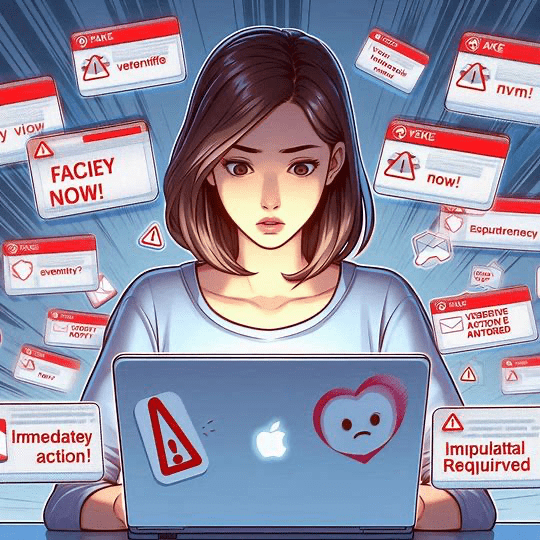
Phishing attacks continue to succeed because they exploit human vulnerabilities rather than technical flaws. They rely on psychological manipulation, urgency, and trust to persuade victims to act impulsively without verifying the authenticity of the request.
Moreover, the proliferation of digital communication channels and the increasing sophistication of phishing tactics make it challenging for individuals and organizations to stay vigilant and protected.
Types of Phishing Attacks
Phishing comes in many forms, each with a unique strategy to trick victims into divulging sensitive information. Let’s explore some of the most common types:
- Email Phishing: The most widely known type, where attackers send fraudulent emails claiming to be from a reputable organization, such as a bank or government agency. The goal is to get victims to click on a malicious link or download an attachment containing malware.
- Spear Phishing: As mentioned earlier, spear phishing is a more targeted version of email phishing, often aimed at specific individuals within an organization. These attacks typically use information gathered from social media or business websites to make the message appear more authentic.
- Whaling: Whaling is a form of spear phishing that targets high-profile individuals such as CEOs, CFOs, and other executives. These attacks are particularly dangerous because executives often have access to sensitive company information and financial accounts.
- Smishing and Vishing: Smishing refers to phishing attempts conducted via SMS (text message), while vishing uses phone calls. In both cases, the attacker poses as a trusted entity to persuade the victim to provide personal information or make payments.
- Clone Phishing: In clone phishing, an attacker makes a near-identical copy of a legitimate email that was previously sent, but with malicious links or attachments. The email may appear to come from the original sender, making it even more convincing.
- Pharming: This technique involves redirecting users from a legitimate website to a fake one. Attackers typically compromise DNS (Domain Name System) settings to redirect traffic to malicious sites where users unknowingly enter their personal details.
- Social Media Phishing: With the rise of social media platforms, attackers often impersonate well-known brands or even friends and family members. They might send direct messages or create fake pages to collect sensitive data or distribute malware.
The Growing Impact of Phishing Attacks
Phishing attacks are not just limited to individuals; they affect businesses, healthcare institutions, and government agencies as well. The financial and reputational consequences of falling victim to such an attack can be catastrophic. In recent years, there have been several high-profile phishing incidents that underscore just how dangerous these attacks can be.
For example, in 2016, a phishing email led to one of the largest data breaches in history when an employee at a popular social media platform unknowingly handed over sensitive login credentials. This breach resulted in millions of users’ personal information being exposed. Similarly, healthcare organisations have become frequent targets for phishing attacks, with attackers seeking to gain access to patient records and sensitive health data.
In the corporate world, phishing attacks can lead to large-scale data breaches, financial fraud, and even the compromise of critical intellectual property. For businesses, a successful phishing attack could mean not only a direct financial loss but also potential legal consequences, as data breaches involving customer information can lead to regulatory fines and lawsuits. Obtaining an ISO 27001 certification in Bangalore can help companies establish strong information security management practices to mitigate these risks.
Protecting Yourself Against Phishing Attacks
Understanding how phishing attacks operate is crucial for protecting yourself and your organization:
- Verify Requests: Always verify the authenticity of requests for sensitive information before clicking on links or providing any personal details.
- Use Two-Factor Authentication (2FA): Enable 2FA wherever possible to add an extra layer of security to your accounts.
- Educate and Train: Organizations should regularly educate employees about phishing techniques and conduct simulated phishing exercises to raise awareness.
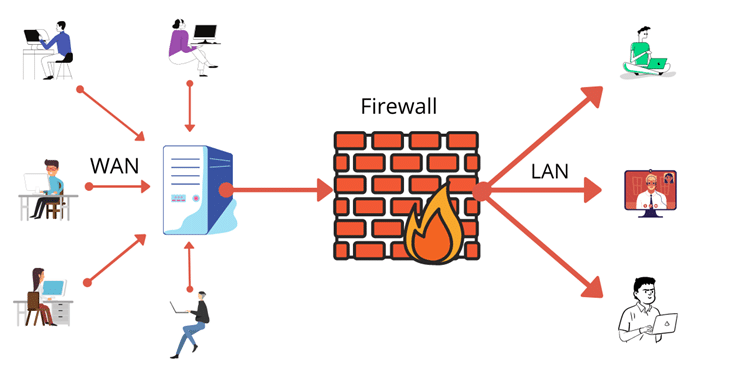
- Implement Security Measures: Install and regularly update antivirus software, firewalls, and spam filters to detect and mitigate phishing attempts.
- Report Suspicious Activity: Promptly report any suspicious emails or messages to your IT department or relevant authorities.
Conclusion

As our world becomes increasingly interconnected, the threat of phishing attacks looms larger than ever. By understanding how these attacks operate, recognizing their real-world implications, and implementing proactive security measures, we can collectively mitigate the risks and safeguard our digital lives.
Remember, vigilance is the best defence against phishing attacks. Stay informed, stay cautious, and together, we can navigate the digital landscape safely and securely.
Stay safe online!